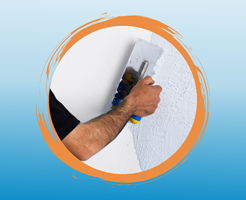
Painting Plastered Walls
At De Verfmenger, we believe that painting plastered walls is best done with care and proper preparation. Every step contributes to the final result. In our handy DIY guide, we have already selected the right products for your project, ensuring you have a solid start to your work.
Painting Plastered Walls
When painting plastered walls, it’s essential to use the right wall paint. Always start with a primer to reduce the wall’s absorbency. After that, you can finish with professional wall paint for a flawless result.
Proper Preparation
Everything starts with preparing the wall. The importance of a clean, smooth surface cannot be overstated. Take your time to clean the wall with a mild soap solution and a paint cleaner. Fix small damages and fill in any irregularities with suitable wall filler. Ensure proper ventilation, cover the floor, and tape off anything that should not be painted. For an extra smooth finish, sand the wall lightly using fine sandpaper.
The Importance of Primer
For newly plastered walls, a primer is essential. This product helps reduce the wall’s absorbency, ensuring the paint adheres better and provides optimal coverage. If the wall has been painted previously, this step can sometimes be skipped. However, a tinted primer can still make a significant difference for a more even and rich result.
How to Paint Your Plasterwork
Once the primer has dried, it’s time to start painting. Proper paint preparation is critical, so stir the paint well and pour it into a paint tray. Approach the painting systematically by dividing the wall into mental sections. Use a brush for the edges and a roller for larger areas. Slightly overlap painted sections to prevent streaks after drying.
By following this approach, De Verfmenger provides you with all the tools you need to paint with confidence. With the right preparation, tools, and attention to detail, you’ll achieve a professional-looking finish. Best of luck with your painting project!


